
Understand
Can I learn in my own language?
Wider proposal targets
520 youth + adults in mother-tongue literacy · 1,500 students with stipends + materials · 68 facilitators
Signs it is working
Attend → Learn → Continue
Open for funding · Chapainawabganj + Naogaon
Mother-tongue learning.
Stronger livelihoods.
A proposed programme in Chapainawabganj and Naogaon, beginning with three neighbouring villages.
Request the three-village briefRegional context
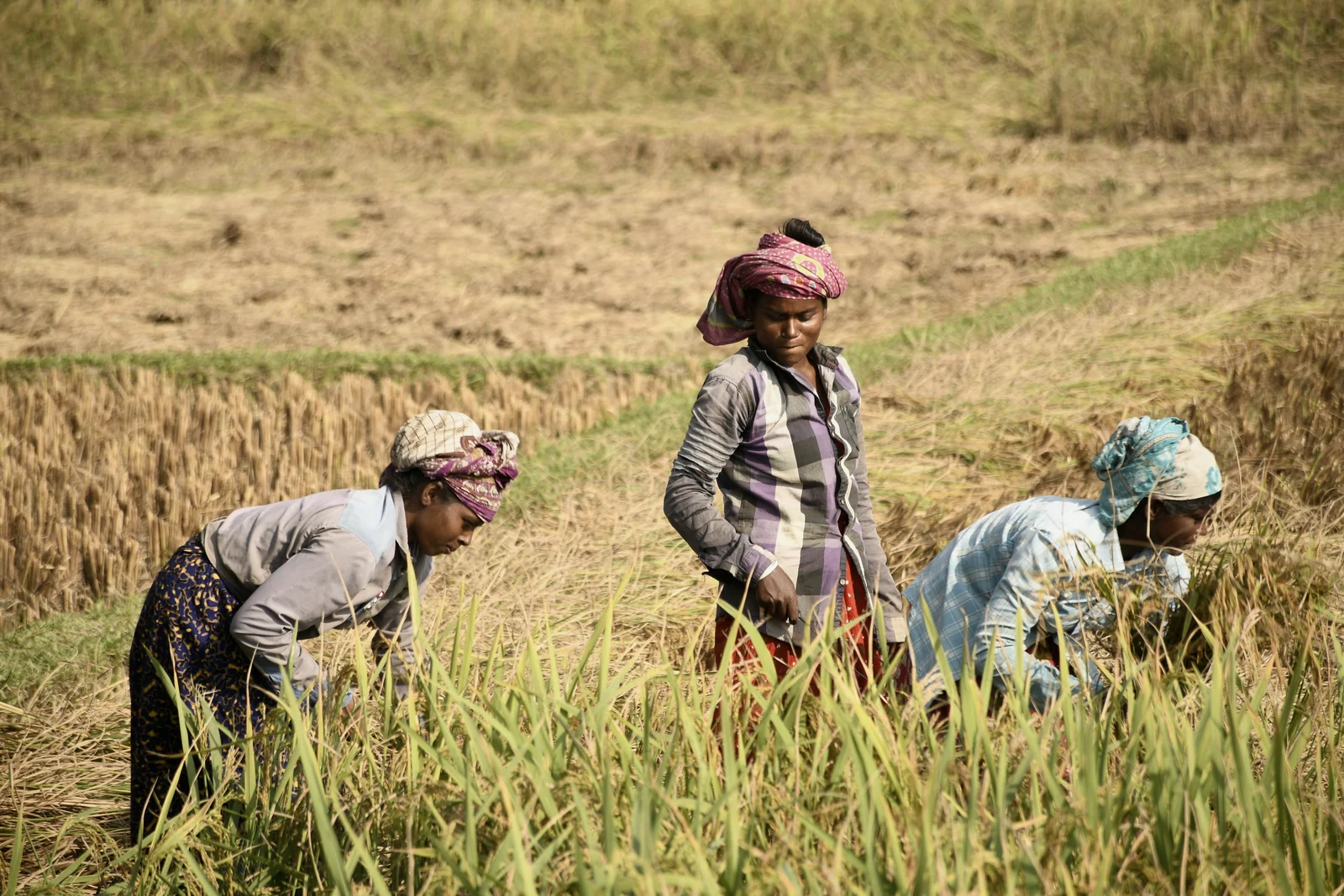
A 2024 study including Nachol found high drought-severity exposure. In 2026, government–UNDP work in drought-prone Naogaon centred on water security, climate-smart irrigation and resilient livelihoods.
Culture + language
Naogaon records Santali alongside Bengali and multiple ethnic communities; Chapainawabganj Sadar records Santal, Oraon, Mahato and Munda communities. UNICEF reports persistent learning barriers for ethnic-minority children in Bangladesh.
Programme landscape
105 villages.
The wider 24-month proposal covers up to 105 villages across Chapainawabganj Sadar, Nachol and Patnitala. The first funding unit is three neighbouring villages, with sites and delivery scope to be confirmed.
Four routes
Each route has a target and measures of progress.
Can I learn in my own language?
520 youth + adults in mother-tongue literacy · 1,500 students with stipends + materials · 68 facilitators
Attend → Learn → Continue
Can I reach care, water and support?
10 submersible water systems · 165 health + service workers trained · 8,000 people targeted
Function → Quality → Use → Referral
Can my household produce and earn?
950 households in sustainable-agriculture training · 810 families with seeds + inputs · 20 micro-enterprises · 40 young people who have left school in vocational training · 500 adopters targeted
Adopt → Produce → Continue → Sell
Can I influence what affects us?
105 village committees · 3 community-based organisations linked to local government
Represent → Raise → Respond → Follow through
Continuity test
Explore a proposed scenario: reduce direct project support to see who continues the work and which service links must remain.
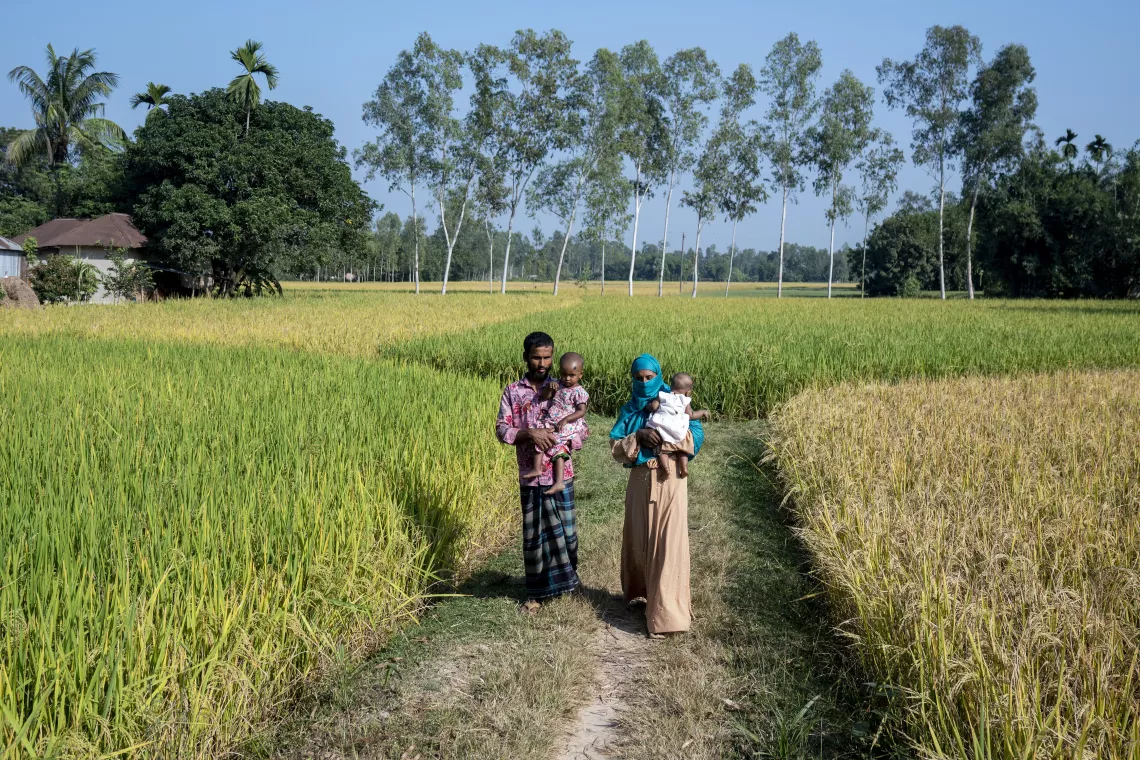
ROOTS proposes mother-tongue learning, materials and facilitator support.
Indicative allocation
Indicative programme model. The three-village brief will confirm its scope, costs and applicable allocation.
25%
Mother-tongue learning, student support, cultural continuity.
25%
Health access, trained providers, safe water.
25%
Climate-resilient agriculture, inputs, continued production.
10%
Vocational skills and micro-enterprise.
15%
Village committees, CBOs, local-government links.
Cultivera planning allocation · percentages total 100%.
Readiness
Exact three villagesConfirm neighbouring sites and sequence.
Community consentConfirm participation, self-identification and priorities.
Delivery capacityConfirm responsible people and organisations.
SafeguardsClose child, health, data, grievance and inclusion controls.
Baseline + first-year planSet starting conditions, service links and maintenance responsibilities.
Final implementation scopeLock quantities, responsibilities, sequence and recurring requirements.
Open for funding
In the first three villages, test whether learning, water, livelihoods and community decision-making can continue with less project support.
Request the three-village brief